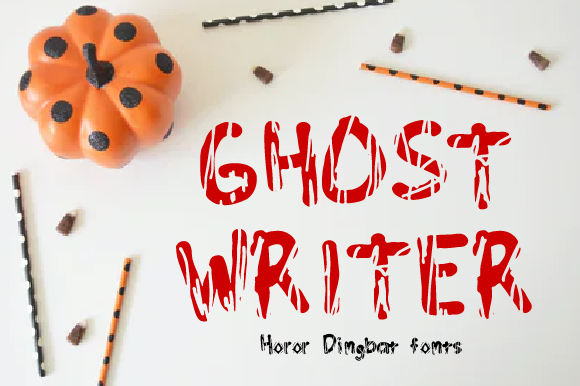
Ghost Writer Font for Standout Web Design and Branding
Ghost Writer in Website Headers and Hero Sections
As a web designer, choosing the right display font for your website headers and hero sections is crucial. Ghost Writer, with its unique and elegant character set, can instantly elevate the visual impact of your digital projects. Whether you're designing a SaaS landing page or a creative portfolio site, this Fonts typeface brings an otherworldly charm that helps your message stand out without overwhelming the user.
The subtle curves and ghostly feel of Ghost Writer make it ideal for storytelling-driven websites. It adds intrigue to headlines while maintaining a sense of professionalism—perfect for brands aiming to balance creativity with clarity. Use it sparingly in hero sections to create a focal point that draws attention and communicates tone effectively.
Ghost Writer for Conversion-Focused Landing Pages
Landing pages require a strong first impression, and Ghost Writer delivers just that. Its display nature makes it well-suited for bold call-to-action statements and brand taglines. The font's personality supports high-impact messaging without sacrificing legibility, which is essential when users are scanning content quickly.
In conversion-focused layouts, Ghost Writer can be used to highlight key selling points or differentiate your brand from competitors. Pair it with a clean sans serif for body text to maintain hierarchy and guide the reader’s eye toward important actions like "Sign Up" or "Buy Now."
Ghost Writer on Buttons and Short Phrases
Ghost Writer shines when applied to buttons, short phrases, and microcopy elements. Because it's a display font, it works best at larger sizes where details can be appreciated. This makes it perfect for interactive elements like CTA buttons or modal titles in app screens.
- Use it for limited-time offers or event countdowns
- Pair with minimalist design for maximum contrast
- Ensure it remains legible even on smaller mobile buttons
Ghost Writer in Online Store Banners and Product Listings
E-commerce platforms rely heavily on typography to create a memorable shopping experience. Ghost Writer, as a display font, can help boutique online stores or fashion retailers craft visually compelling banners that reflect their brand’s unique voice.
Its ethereal aesthetic fits particularly well in niches like luxury fashion, art galleries, or lifestyle brands. When using Ghost Writer in product listings, keep text concise and use generous spacing to avoid clutter. Test how it looks across different screen sizes—especially mobile devices where readability matters most.
Ghost Writer for Blog Headers and Content Sections
Bloggers and content creators often need a way to separate sections and introduce topics with flair. Ghost Writer provides that extra layer of interest without being distracting. As a display font, it works beautifully for section headers, pull quotes, or feature cards in editorial-style blogs.
To ensure good readability, pair Ghost Writer with a neutral body font such as Lato or Open Sans. This combination keeps the layout modern while allowing the blog header to pop. For dark background themes, consider using a lighter weight or adding a subtle drop shadow to maintain contrast and visibility.
Ghost Writer in Logo Design and Brand Identity
Branding is all about consistency and emotional resonance. Ghost Writer, with its distinctive style, can serve as a powerful tool in shaping a brand’s identity. If your client is looking for something unconventional yet refined, this Fonts option might just hit the mark.
When integrating Ghost Writer into logo design, test it at various sizes and ensure it retains clarity. The font’s subtle nuances work well for logos that aim to evoke mystery or elegance. It’s also a great choice for signature-like branding on packaging design or social media graphics.
Font Pairing Suggestions with Ghost Writer
One of the biggest advantages of using Ghost Writer is its versatility in font pairing. Since it’s a decorative display font, it pairs best with simple and readable supporting fonts. Here are some effective combinations:
- Sans Serif Body Fonts: Helvetica Neue, Montserrat, or Raleway for a modern, clean look
- Serif Companions: Playfair Display or Merriweather for more editorial or premium tones
- Monospace Accents: Fira Code or Inconsolata for tech-forward designs or code snippets
These pairings allow Ghost Writer to take center stage while ensuring the rest of the design remains functional and easy to read.
Ghost Writer in Branded Web Experiences and Digital Assets
For UI designers and digital product creators, Ghost Writer can add a distinct personality to branded web experiences. Think of how it could transform a course sales page, a startup’s About Us section, or even a podcast landing page. The font’s character gives your brand a signature look that sets it apart from generic templates.
Consider using Ghost Writer in email newsletters or social media assets to maintain a consistent visual language. Just remember that since it's a display font, it should never be overused. Let it speak where it matters most—like in testimonials, featured content blocks, or promotional headlines.
Ghost Writer for Mobile Responsiveness and Dark Mode
Modern web design must account for mobile responsiveness and dark mode compatibility. Ghost Writer performs admirably in both scenarios, especially when used at appropriate weights and sizes. For mobile-first designs, opt for bolder variants to ensure visibility on smaller screens.
On dark backgrounds, Ghost Writer maintains its elegance but may benefit from slight adjustments in color and stroke width. Always test the font in real-world conditions to ensure it doesn’t lose clarity or become too delicate to read.
Ghost Writer in Creative Portfolios and Personal Websites
Creative professionals—from illustrators to copywriters—often use their personal websites to showcase their personality. Ghost Writer is an excellent choice for those who want their portfolio to reflect a mysterious, artistic, or vintage vibe. The font’s unique letterforms can make your name or project title unforgettable.
Use Ghost Writer for your headline or signature block, and let it anchor the rest of your site’s typography. It’s also great for image overlays in case studies or portfolio thumbnails. Just make sure to include alt text and accessibility features so your content remains inclusive.
Ghost Writer for App Screens and User Interfaces
App designers frequently face the challenge of making interfaces both engaging and usable. Ghost Writer, being a display font, can be strategically placed in app screens to emphasize key features or welcome messages. However, it’s not recommended for long-form UI copy due to its ornate nature.
Here’s how to use it effectively in app design:
- Apply it to splash screens or launchers for a memorable first impression
- Use it for feature highlights or tutorial steps
- Avoid using it for menus, settings, or input fields
Commercial Use and Licensing Considerations
If you’re planning to use Ghost Writer in commercial web design projects, online stores, or brand assets, it's essential to verify the licensing terms. Some display fonts are strictly for personal use, so always double-check whether the font you're considering allows for web embedding, client work, or multilingual support.
Investing in a commercial font ensures legal compliance and peace of mind. Look for providers that offer clear licensing for webfonts, including usage rights for Google Fonts or Adobe Fonts integration if needed. This is especially important when building templates or reusable design assets for clients.
Ghost Writer for Course Sales Pages and Coaching Websites
Coaching websites and online course landing pages often rely on a warm yet professional tone. Ghost Writer can add a touch of sophistication to your course titles or mentor bios. Its display qualities make it ideal for creating a sense of exclusivity or thoughtfulness.
Try using it in a testimonial section to give quotes a more personal and handcrafted feel. Combine it with a structured sans serif for pricing tables or course descriptions to keep the information digestible and trustworthy.
Ghost Writer in Social Media Graphics and Digital Ads
Ghost Writer isn't just for websites—it can enhance your entire digital brand kit. Social media posts, Instagram stories, and digital ads often benefit from a unique Fonts choice to capture attention in crowded feeds. The font’s intriguing style makes it ideal for quote graphics, campaign slogans, or animated intros.
When using Ghost Writer in image-based content, ensure it’s large enough to remain legible when scaled down. Avoid placing it over busy visuals; instead, use it against solid or gradient backgrounds to maximize impact.
Ghost Writer for Packaging and Print Materials
Though primarily a digital display font, Ghost Writer can also find a place in print materials like packaging design or printed brochures. Its subtle texture and character appeal translate well to physical media, especially when used in low quantities to highlight key phrases or brand names.
Always confirm the font supports the necessary glyphs and languages for your target audience. Some display fonts lack extended character sets, which can limit their usability in international markets or multilingual content.
Ghost Writer and Visual Hierarchy in Web Layouts
Typography plays a huge role in guiding user behavior through visual hierarchy. Ghost Writer, with its standout qualities, can help prioritize content by drawing attention to specific areas of the layout. But it's not a one-size-fits-all solution—use it wisely to maintain a balanced rhythm.
Here are some best practices for leveraging Ghost Writer in your visual hierarchy:
- Reserve it for headers and subheaders only
- Use contrasting colors to make it pop
- Limit its use to prevent visual fatigue
- Test it alongside other design assets to ensure harmony
Ghost Writer for Editorial Design and Newsletters
Ghost Writer brings a touch of class to editorial design. From newsletter subject lines to magazine cover art, the font can add a curated feel to your content. Its display characteristics mean it’s best suited for short bursts of text rather than lengthy articles.
When crafting a monthly email newsletter, use Ghost Writer to open each issue with a personalized greeting or themed header. Keep the rest of the text in a standard typeface to maintain scannability and reduce cognitive load on readers.
Why Choose Ghost Writer Over Generic Display Fonts
Many designers default to overused display fonts like Bebas Neue or Oswald, but Ghost Writer offers something different. Its subtle intricacies and refined edges give it a more sophisticated edge compared to many bold, sans-serif alternatives. While script or handwritten fonts can feel too informal, Ghost Writer bridges the gap between playful and professional.
It’s a display font that feels intentional, not trendy. That means it won’t date your design as quickly as other novelty fonts might. If you're after a premium font that enhances your brand without overshadowing it, Ghost Writer is a smart choice.
Ghost Writer in Multilingual Projects and Global Audiences
Depending on the version available, Ghost Writer may support multiple languages, making it suitable for global audiences. Before committing to it for an international website or app, review the included glyphs and file formats to ensure it meets your needs.
Some display fonts struggle with non-Latin characters, but if Ghost Writer includes full Latin, Cyrillic, or Greek support, it becomes a versatile option for global brands. Confirming these details upfront will save time and ensure a polished final product.
Ghost Writer and Responsive Typography
Responsive typography is about adapting your Fonts choices to fit different screen sizes and resolutions. Ghost Writer’s display nature means it behaves differently across devices. On desktops, you can enjoy its detailed serifs and ligatures, but on mobile, simplicity is key.
Use CSS techniques like `font-size: clamp()` or viewport units to adjust Ghost Writer dynamically. Ensure that its smallest use remains legible and that it doesn’t break the flow of your responsive grid system. This kind of attention to detail is what separates average designs from exceptional ones.
Ghost Writer for Branded Email Templates and Signatures
Email marketing is a vital part of any digital strategy, and Ghost Writer can help make your emails more visually engaging. Use it for subject lines, sender signatures, or brand-specific footers to reinforce your identity every time a customer receives your message.
Remember to keep the font size large enough for quick reading, especially on mobile devices. Pair it with a clean, monospaced font in preheader text or bullet points for a cohesive and professional look.
Ghost Writer in Portfolio Sites and Freelance Profiles
Portfolio sites need to reflect the designer’s individuality. Ghost Writer is an excellent way to do that subtly. Whether you're showcasing your own work or building a portfolio for a client, this display font can give your design a unique personality.
Use it for your name, tagline, or featured project titles. It adds a sense of artistry without veering into illegibility. Combine it with a secondary font for navigation and content to keep the interface intuitive and accessible.
Ghost Writer for Niche Industries and Unique Brands
Certain industries benefit more from a font like Ghost Writer. Think of indie book publishers, lifestyle bloggers, or spiritual coaching websites. The font’s soft yet impactful style aligns well with brands that value storytelling, emotion, and a personal touch.
It’s also a great match for Halloween-themed campaigns, fantasy-inspired products, or anything that benefits from a slightly eerie or mystical vibe. Just because it's a display font doesn’t mean it’s limited—use it creatively to reflect your brand’s niche.
Ghost Writer in Web Design Tools and Asset Libraries
Web designers often work within tools like Figma, Sketch, or Adobe XD. Ghost Writer integrates smoothly into these environments and can be added to your asset library for reuse across projects. If the font comes with alternates or stylistic variations, explore them to customize your designs further.
Using Ghost Writer in your next UI mockup or wireframe can help stakeholders visualize the brand’s tone early in the design process. It’s also useful for creating mood boards or concept presentations that communicate the desired aesthetic before development begins.
Ghost Writer for High-Traffic Areas and First Impressions
First impressions matter. Ghost Writer, as a display font, can help you create that initial spark of interest. Use it in high-traffic areas like homepage greetings, carousel headlines, or modal windows to engage visitors right away.
But don’t forget the rule of thumb: always test for readability. Even though it's a stylish Fonts choice, it shouldn't compromise user experience. Balance aesthetics with functionality to build trust and encourage deeper engagement.
Ghost Writer in Modern Typography Trends
Current trends in modern typography favor bespoke and expressive fonts. Ghost Writer fits perfectly into this space, offering a fresh take on display typography that doesn’t follow the usual cookie-cutter styles. It stands out in a market flooded with overly simplified or overly dramatic options.
By choosing Ghost Writer, you’re embracing a trend that values subtlety and intentionality. It’s not just another font—it’s a statement piece that contributes to your brand’s visual language. And in today’s competitive digital landscape, that can make all the difference.